
Attic ventilation in San Antonio: if the attic can't breathe, the new roof ages like the old one.
A Texas attic hits 140°F in July. That heat cooks the shingles from underneath, warps the decking and pushes the air conditioner all afternoon. Ventilation is intake at the soffits plus exhaust at the ridge, sized to the attic, and it is on every Mammoth quote because it is the cheapest year we can add to a roof.
Photos, a written Roof Grade and a clear next step.
Considering replacement? Explore sample prices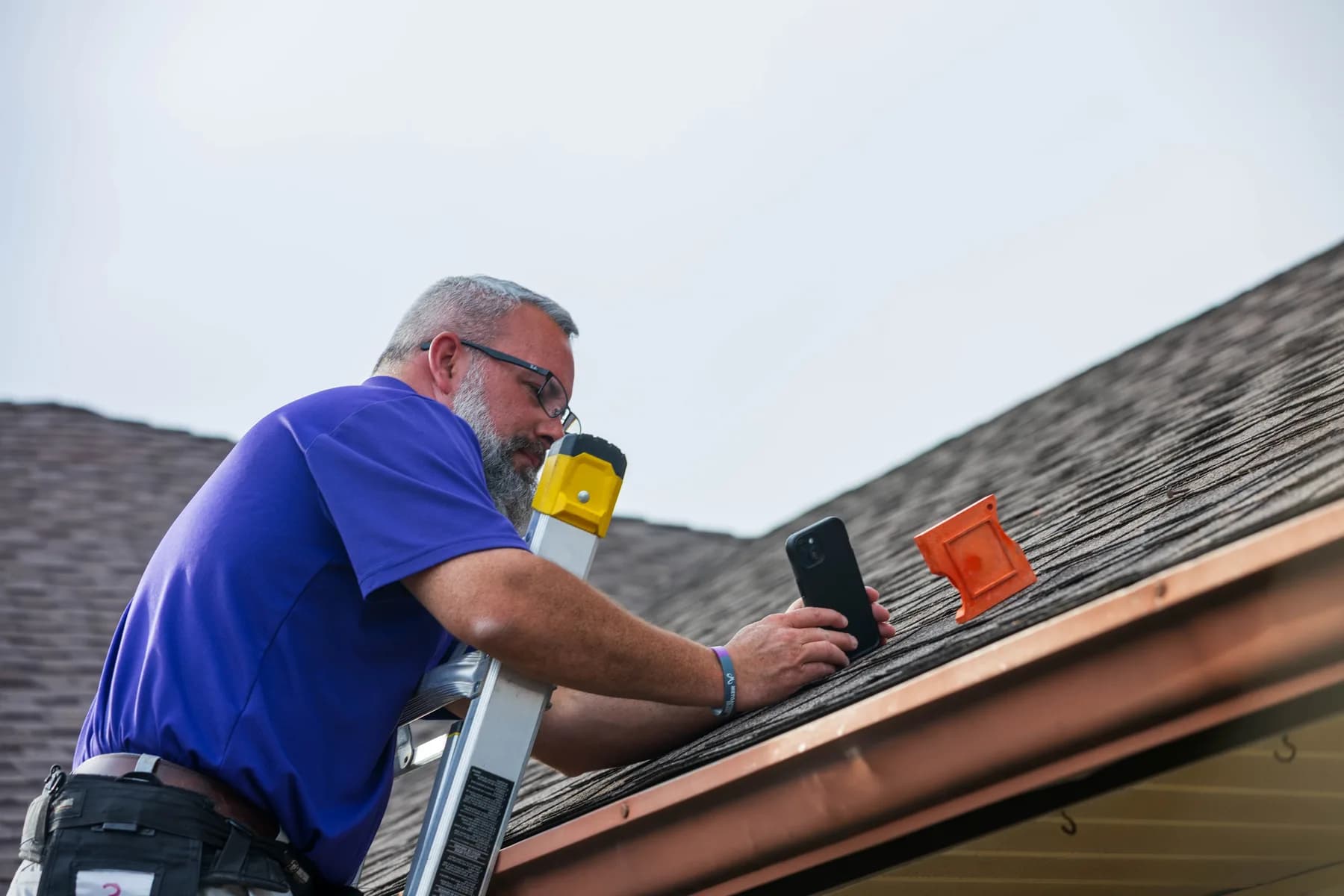 Photographed. Explained. Put in writing.





Two of the six enemies of every roof live in the attic.
Heat
Trapped heat bakes the shingle mat, dries sealant and curls edges. A ventilated attic runs tens of degrees cooler.
Moisture
Bathroom and dryer vents dumping into the attic, and warm indoor air condensing on cold decking in winter. Wet insulation, mold, rot.
The balance
Exhaust without intake pulls conditioned air out of the house. Intake without exhaust does nothing. We size both.
The warranty
Shingle warranties assume adequate ventilation. An unventilated attic can void the one you're relying on.
What we install.
Ridge vent
Continuous exhaust along the ridge, invisible from the street. The default exhaust on every replacement.
Soffit intake
Vented soffit or edge vents so air enters low and leaves high. Blocked soffits are the most common ventilation fault we find.
Attic fans
Powered fans where the ridge can't move enough air, with a thermostat and humidistat. Sized, not guessed.
Vent repairs
Fans venting into the attic re-routed outside; torn screens, rusted turbines and cracked vent boots replaced.
How much ventilation an attic needs.
- The rule of thumb is one square foot of net free vent area per 150 square feet of attic floor, split evenly between intake and exhaust; less with a vapor barrier.
- The reality is measured in the attic: existing vents, blocked soffits, insulation depth and where the moisture is.
- The calculator on our blog does the arithmetic for your attic size if you want a number before we visit.
- The visit is free and the attic is the first place we go.
Straight answers before you book.
Ask your local teamDo I need an attic fan?
Only if ridge and soffit ventilation can't move enough air, which is common on hip roofs with little ridge. We measure before we recommend one.
Will better ventilation lower my electricity bill?
Usually, noticeably, in summer. The attic stops radiating heat into the rooms below and the AC runs less.
Can you add ventilation without replacing the roof?
Yes: ridge vents, soffit vents and fans can all be retrofitted. It's often the best money you can spend on an older roof.
Is the inspection really free?
Yes — it's the same Roof Grade visit for every service. Attic first, 75–150 photos, the 32-point Hunter-Gatherer Report, a letter grade and a plain-English verdict. You get the written report whether you hire us or not.
Will you tell me if I don't need the work?
Yes. An A grade is a handshake and a date to look again. A B means a few small repairs, priced in the open, on a roof with years left in it. We'd rather be the roofer you call in ten years than the one who sold you a roof you didn't need.
What warranty comes with the work?
Repairs carry a workmanship warranty in writing on the invoice. Full replacements carry the Mammoth Two Tusk Limited Lifetime Warranty: our 10-year workmanship warranty on the installation, plus the manufacturer's limited lifetime material warranty on the roofing materials. Ask us for the warranty document and read it before you sign.
Know where
your roof stands.
The Roof Grade is free. The report is written.
What happens next is your decision.
- 32 inspection points, attic first
- 75–150 photos of what we find
- An honest, written recommendation